Useful links:
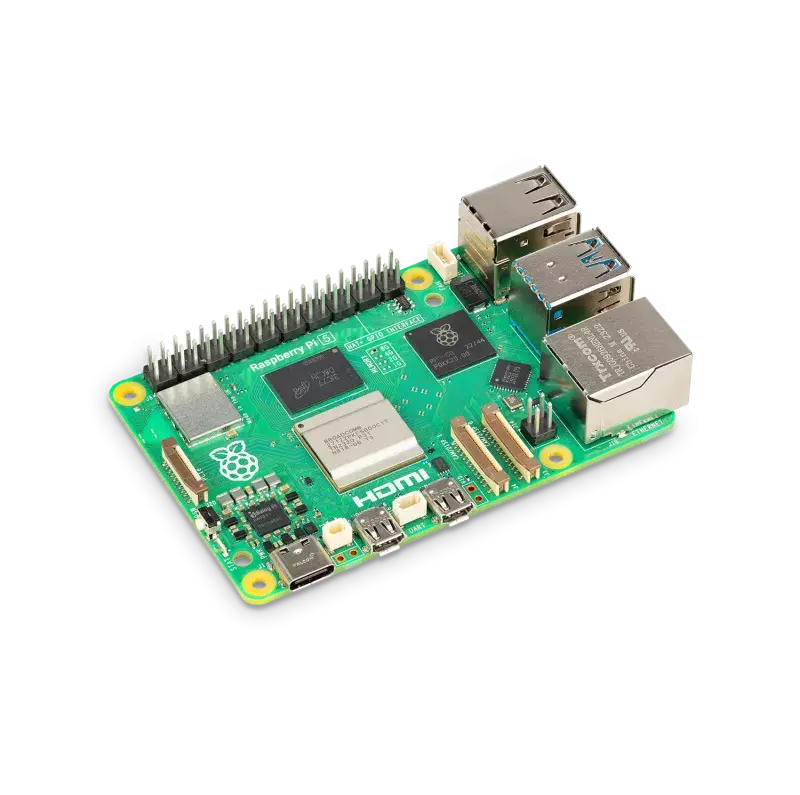
The Raspberry Pi 5 is the most powerful generation of the family, with a performance jump of roughly double over the Pi 4 thanks to the new Broadcom BCM2712 SoC and its own RP1 I/O chip (the first silicon designed by the Raspberry Pi Foundation, which frees the main SoC from managing ports and buses). It keeps the single-board philosophy, but takes the definitive leap into the home-server space thanks to its native PCIe 2.0 x1 interface, which lets you connect NVMe SSDs (Non-Volatile Memory express, the modern high-speed storage standard) via a HAT (Hardware Attached on Top, standard expansion board) and forget about microSD bottlenecks. It keeps the 40-pin GPIO header (General Purpose Input/Output, programmable digital pins) compatible with the HAT ecosystem inherited from the Pi 4, the MIPI DSI (Display Serial Interface) and CSI (Camera Serial Interface) connectors for screens and cameras via flat cable, and adds welcome new touches: physical power button, RTC header (Real-Time Clock, a clock that keeps time with the board powered off) for external battery and dedicated fan connector, practically mandatory under sustained loads. On software it runs any relevant ARM Linux distribution. More powerful, more demanding and more versatile.
Main features:
- ARM Cortex-A76 quad-core 2.4GHz
- Dual micro HDMI 4K@60Hz
- WiFi 5 dual-band + Bluetooth 5.0 / BLE
- Gigabit Ethernet with PoE+ support (requires HAT)
- 2x USB 3.0 + 2x USB 2.0
- Native PCIe 2.0 x1 (NVMe via HAT)
- 40-pin GPIO
- MIPI DSI (screen) and CSI (camera) connectors
- On-board physical power button
- RTC (Real-Time Clock) header
- USB-C power 5V/5A PD (27W PSU recommended)
- Typical power draw: 3-5W, max 12W (with peripherals)
Related Products
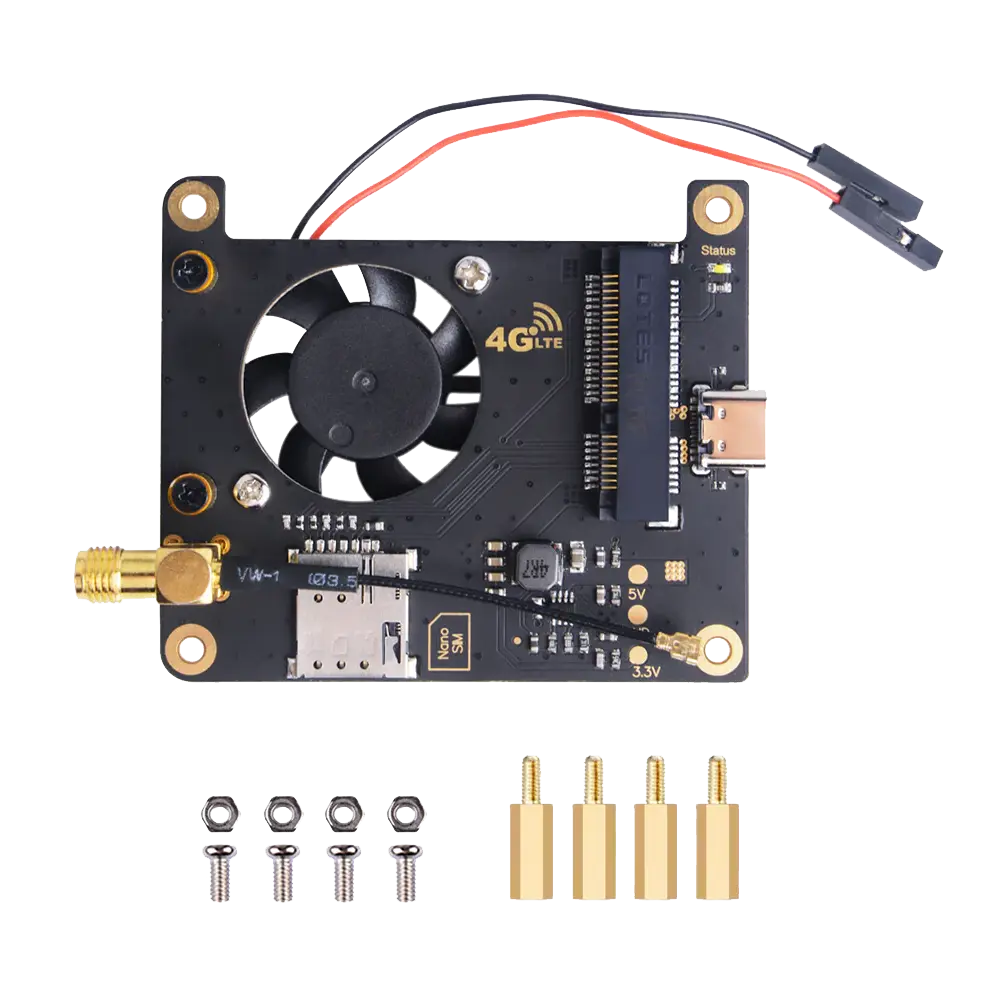
4G/3G HAT for Raspberry Pi
4G/3G cellular connectivity HAT for Raspberry Pi with Mini PCI-E socket, Nano SIM slot and USB-C for AT commands. Compatible from Pi Zero up to Pi 4B and Jetson Nano.
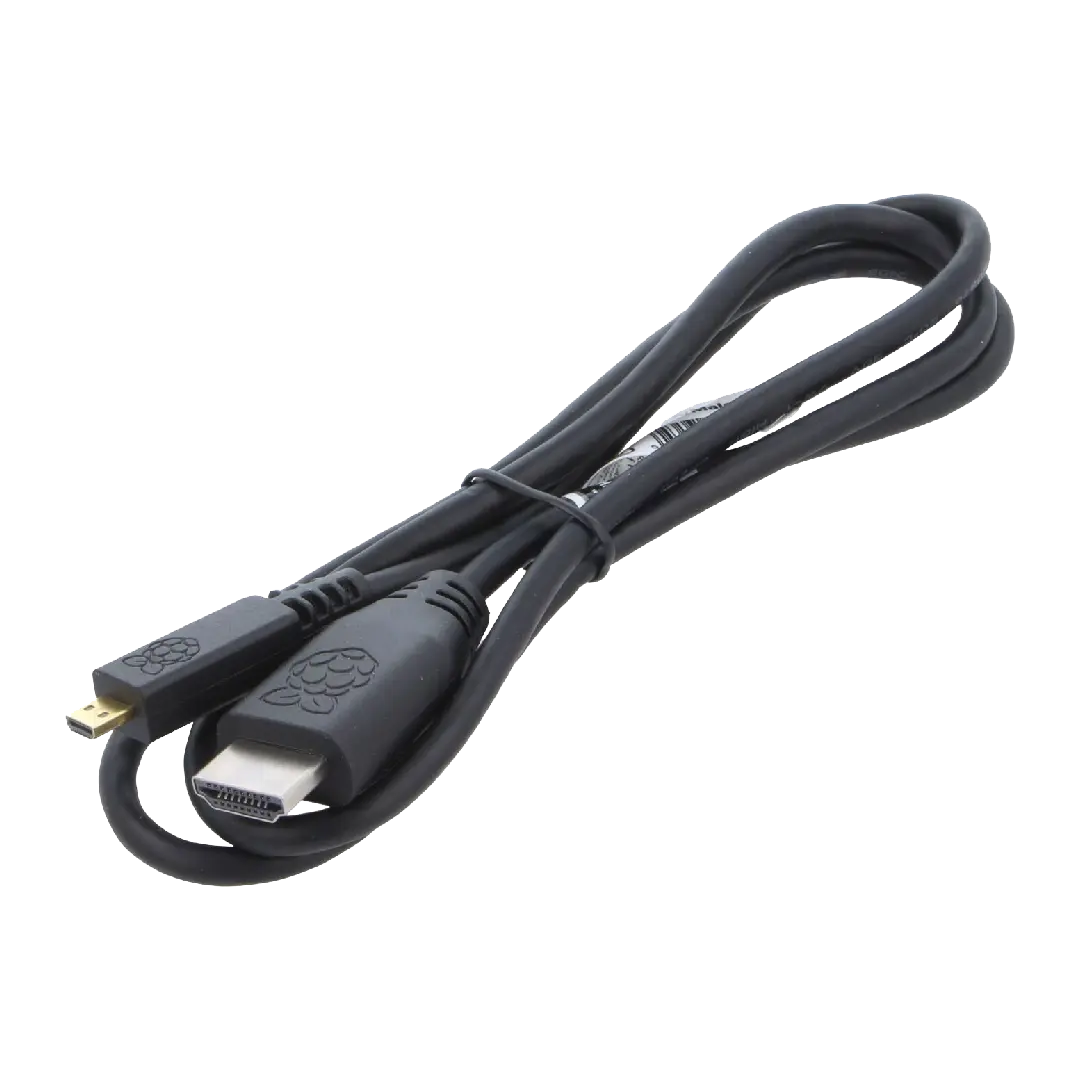
Official micro HDMI to HDMI cable
Official Raspberry Pi micro HDMI to standard HDMI cable, 1 metre, black.
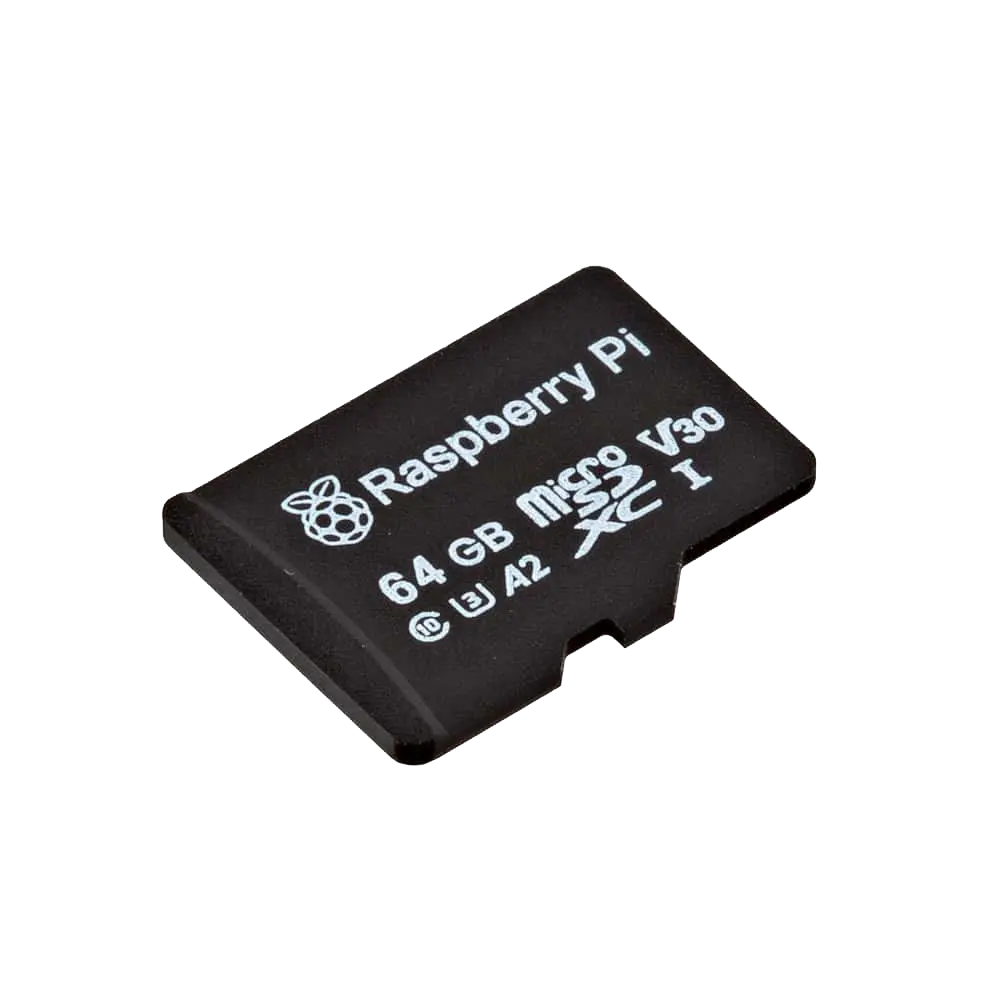
Official Raspberry Pi 64GB microSD card
Official Raspberry Pi A2-Class 64GB microSD card.
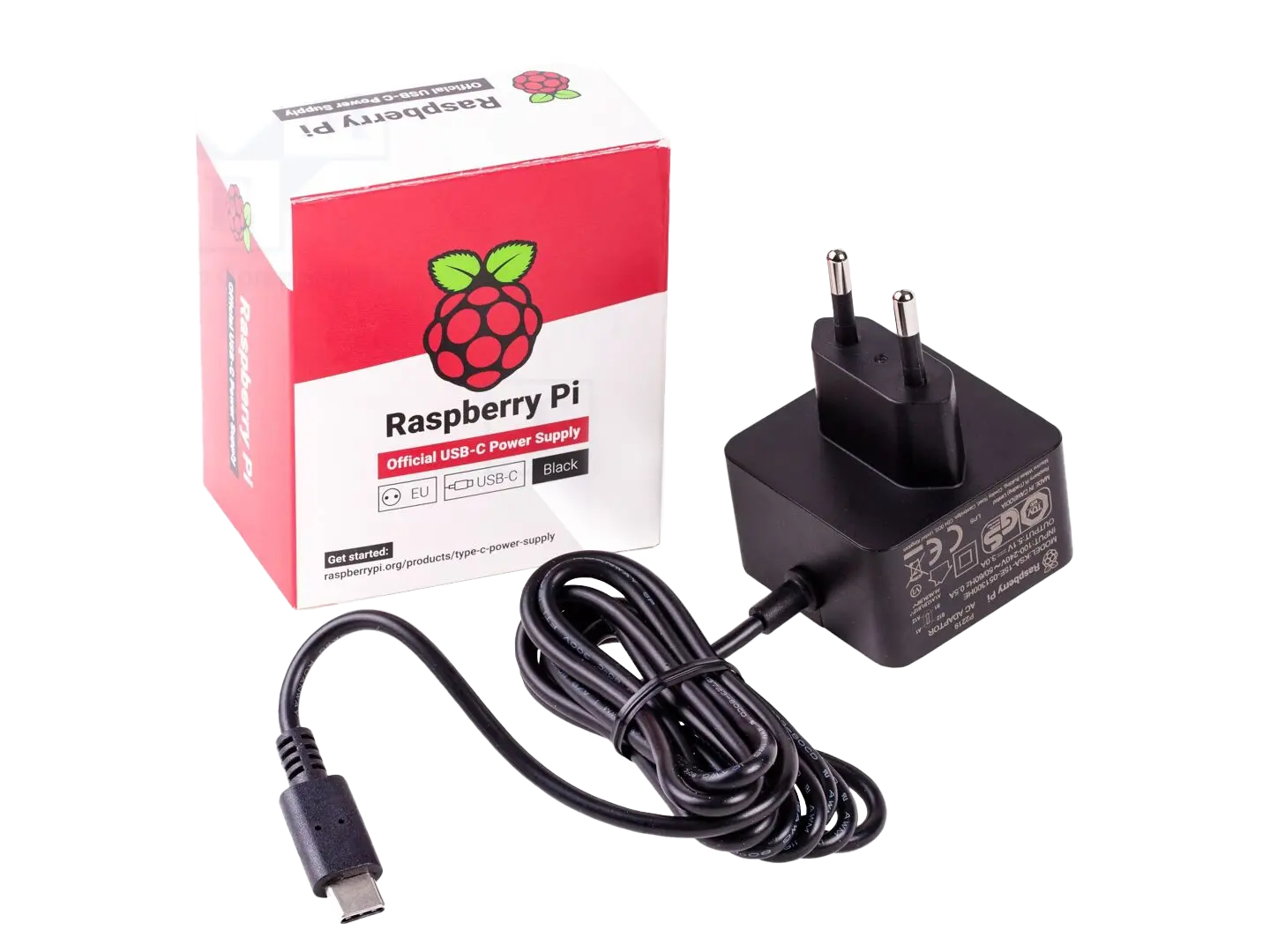
Official Raspberry Pi 4 power supply
Official 15W USB-C power supply for Raspberry Pi 4 and Pi 400.
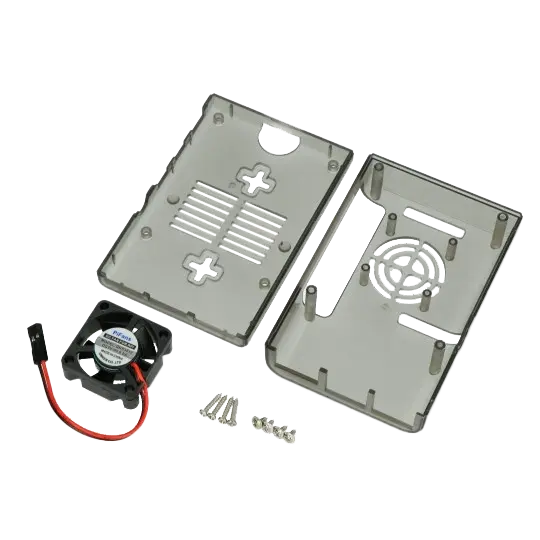
Raspberry Pi 4 case with fan
Transparent case with fan for the Raspberry Pi 4 Model B.